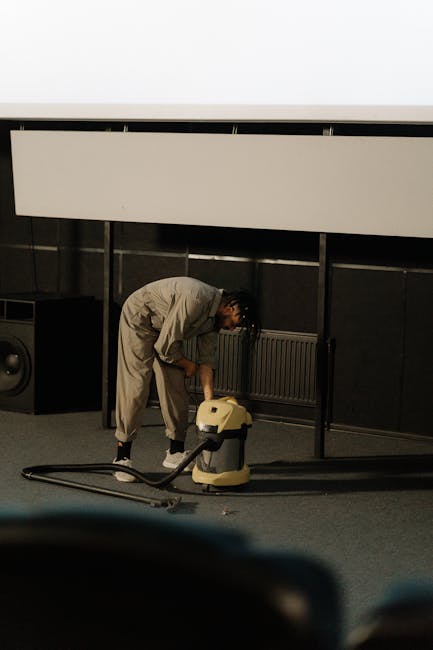
Carpet cleaning Norwood Green Park flats guide

If you live in a flat, you already know carpet cleaning is rarely as simple as "book a cleaner and move on." There are hallways to protect, neighbours to think about, drying times to manage, and often not much space to work with. This Carpet cleaning Norwood Green Park flats guide is here to make the whole job feel much less awkward and a lot more doable. Whether you are dealing with ground-in dirt, pet smells, a food spill that has gone slightly too far, or just the everyday dulling that happens in busy homes, the right approach makes a proper difference.
Below, you will find a practical walkthrough of what works in flats, what to avoid, how to prepare your space, and how to judge the best cleaning method for your carpet and your building. Nothing fluffy. Just useful guidance you can act on.
Quick takeaway: the best flat carpet cleaning is usually about good preparation, the right method for the fibre, and careful drying. Get those three things right and the result is usually far better. Sometimes dramatically better, to be fair.
Why carpet cleaning in Norwood Green Park flats matters
Flat living changes the way carpet cleaning works. Space is tighter, airflow is often limited, and access can be a bit of a faff. If you are on an upper floor, carrying equipment up stairs or through shared areas needs more care. And if you are in a managed building, you may need to think about lift bookings, quiet hours, parking, and whether the cleaner can easily get in and out without interrupting everyone else's day.
That is the practical side. There is also the everyday side. Carpets in flats tend to collect fine dust, tracked-in grit, cooking residue, pet dander, and small spills from busy routines. Over time, that mix can flatten fibres and leave a room feeling tired even when it is tidy. You notice it most on the stairs, at the doorway, and around sofas or beds where the same foot traffic lands again and again.
For tenants, clean carpets can also matter at the end of a tenancy. For landlords and managing agents, a decent clean helps present the property properly and can reduce complaints about odour or visible marks. For homeowners, it is often simply about making the flat feel fresh again. Not showroom-perfect. Just properly clean, which is enough most of the time.
If you want a broader overview of what a professional clean can include, the main carpet cleaning service page is a helpful place to understand the options. And if you are comparing different soft-furnishing jobs at the same time, you may also find upholstery cleaning relevant when sofas or chairs need attention too.
How carpet cleaning in Norwood Green Park flats works
In a flat, carpet cleaning usually starts with a survey of the rooms, the fibre type, the stain level, and the drying conditions. That sounds technical, but it is really just a matter of answering a few common-sense questions: what is the carpet made of, how dirty is it, and how quickly can it dry?
Most professional cleans follow a sequence like this:
- Inspection: The cleaner checks the carpet type, spots, wear patterns, and any risk areas.
- Preparation: Furniture may be moved where possible, and the floor is vacuumed to remove loose grit.
- Pre-treatment: A suitable solution is applied to break down soil and loosen marks.
- Agitation: The cleaner works the product in gently so it can do its job properly.
- Extraction or cleaning: Depending on the method, dirt is lifted out with hot water extraction, low-moisture cleaning, or steam-based techniques.
- Spot treatment: Trouble areas like drink stains, pet marks, or old traffic lines are treated separately.
- Drying support: Airflow is improved, and the carpet is left as dry as possible without over-wetting it.
In flats, drying is the bit that often makes the biggest difference. A carpet can look clean and still feel wrong if it stays damp too long. A good cleaner will think about ventilation, temperature, and the time of day. Early afternoon can be better than late evening if you want to open windows while there is still some warmth left. Little thing, big impact.
For deeper stain issues, a dedicated stain removal approach may be more appropriate than a general clean alone. And if odour is part of the problem, especially from pets, the specialist pet stain odour removal service can be a smarter fit than trying to mask the smell with perfume or sprays. That only works for about five minutes anyway.
Key benefits and practical advantages
Good carpet cleaning in flats is not just about appearance. The benefits tend to show up in everyday life, often in small but noticeable ways.
- Freshens the whole room: Clean carpet changes how a flat feels when you walk in.
- Helps reduce visible wear: Regular cleaning can lift surface soil before it becomes embedded.
- Improves stain control: Tackling marks early usually gives you a much better chance of removal.
- Supports better hygiene: Dust, allergens, and trapped debris are reduced when the carpet is properly cleaned.
- Extends carpet life: Removing grit helps reduce fibre damage and flattening.
- Useful for moving out or moving in: A clean carpet makes a flat feel cared for and ready.
There is also a psychological benefit that people do not always mention. A cleaner carpet makes the place feel calmer. More finished. You stop noticing that one patch near the sofa or the faint line along the hallway, and the flat starts feeling more like home again.
And if your flat has other soft furnishings that are holding onto smells or dust, it can make sense to clean them together. A lot of people pair carpet work with sofa cleaning, especially in compact living rooms where the carpet and seating share the same air and the same daily wear.
Who this guide is for and when it makes sense
This guide is for anyone living, renting, managing, or preparing a flat where carpets are starting to look or smell a bit tired. That includes:
- tenants who want to keep the flat in good condition
- landlords preparing for new occupants
- managing agents organising periodic maintenance
- owners who simply want a fresher home
- households with children, pets, or high foot traffic
It makes sense to arrange a proper clean when you notice one or more of these signs:
- traffic lanes are visible in hallways or by the bed
- vacuuming no longer makes the carpet look brighter
- there is a lingering smell after cooking, pets, or damp weather
- you have had a spill that dried in and left a ring
- you are preparing for a tenancy check, sale, or new furniture delivery
Truth be told, you do not have to wait until the carpet looks genuinely bad. In smaller flats, dirt builds in quietly. By the time it looks obvious, the fibres have usually held onto soil for quite a while.
Step-by-step guidance
If you want a clean that feels organised rather than chaotic, this is the sequence I would follow.
1. Clear the room properly
Move small items, cables, baskets, toys, pet beds, and anything fragile. If a piece of furniture can be shifted safely, do it before the cleaner arrives. That saves time and avoids last-minute awkwardness. In flats with limited storage, even a quick hallway pile-up can get messy fast, so plan that space too.
2. Vacuum slowly and thoroughly
A quick pass is not enough. Slow vacuuming removes loose grit that would otherwise turn into muddy residue during cleaning. Pay attention to edges, under sofas if possible, and the doorway strip where dirt tends to collect first.
3. Identify stains and problem areas
Make a small note of what happened where. Tea, wine, makeup, food, pet accidents, and old water marks all behave differently. The more clearly you can describe the stain, the more likely the cleaner can choose the right treatment. This is especially useful in flats with several small rooms, where one dark mark can be hard to spot later.
4. Choose the cleaning method carefully
Not every carpet needs the same treatment. A wool carpet in a flat with limited ventilation may call for a gentler, lower-moisture approach. A synthetic carpet in a high-traffic rental may respond well to extraction cleaning. If you are unsure, ask for the method to be explained in plain English. You should never feel like you need to decode it.
5. Plan for drying time
Drying time is not a small detail. It affects comfort, odour, and whether furniture can go back in place the same day. Open windows where sensible, use fans if recommended, and avoid walking on the carpet too soon. Socks only, if you must cross it. And even then, lightly.
6. Deal with furniture and edges afterwards
Once the carpet is dry enough, move items back carefully. Check around skirting edges and under low furniture for any remaining dampness. This is the bit people rush, and then they wonder why a faint smell comes back two days later. Usually it is leftover moisture, not bad luck.
Expert tips for better results
There are a few simple habits that make flat carpet cleaning noticeably better.
- Do not soak the carpet: More water is not more clean. It is just more water.
- Treat spills early: Fresh stains are easier to remove than set-in ones.
- Test strong spot solutions carefully: Aggressive products can bleach or spread the mark.
- Work with the flat's airflow: Open windows when weather and privacy allow.
- Choose method to match fibre: Wool, nylon, and blends do not all behave the same.
- Think about the whole room: If the sofa or rug is dirty too, the carpet may not stay fresh for long.
One practical tip that saves a lot of frustration: take a quick photo of problem areas before cleaning. Not because you need evidence for anything dramatic, just because it helps you judge whether the treatment actually worked. Helpful little habit, that.
If you also have rugs that get walked on daily, it is worth looking at rug cleaning so the room is refreshed as a whole rather than in patches. A freshly cleaned carpet next to a grubby rug can look a bit mismatched, and not in a stylish way.
Common mistakes to avoid
Flat carpet cleaning goes wrong most often because people rush or use the wrong approach for the space. These are the mistakes that come up again and again.
- Using too much product: Residue attracts dirt and can leave the carpet sticky.
- Scrubbing hard at stains: That can damage fibres and spread the mark wider.
- Ignoring drying: Damp carpets in a flat can smell stale very quickly.
- Assuming all methods are identical: Steam, hot water extraction, and low-moisture cleaning are not the same thing.
- Forgetting about access: Lift bookings, parking, and shared hallways can affect timing more than you expect.
- Cleaning around clutter: This leads to missed areas and patchy results.
A lot of people also underestimate how much soil sits in the first metre inside the door. If that area looks tired, the whole flat feels worn. The good news is, it is usually one of the easiest places to improve with the right method.
Tools, resources and recommendations
You do not need a truckload of gear to prepare well, but a few sensible tools help a lot.
- a decent vacuum with edge-cleaning ability
- microfibre cloths for immediate spill response
- a small notepad or phone note for stain details
- fans for gentle airflow during drying
- protective pads or foil tabs if furniture needs to be returned early
For service planning, pricing, and what affects the quote, the site's pricing and quotes information can help you understand what typically shapes the final figure. In flats, the main variables are usually room size, stain level, access, and drying expectations.
If you are comparing methods, the steam carpet cleaning page is useful for understanding a deeper-clean approach, especially where soil is embedded and the carpet can tolerate a more intensive process. On the other hand, if you are dealing with chairs, headboards, or other fabric items, upholstery cleaning may be a sensible companion service.
Law, compliance, standards and best practice
For most residents, carpet cleaning is straightforward household maintenance. Still, there are a few practical compliance points worth keeping in mind in London flats.
If you are a tenant, check your tenancy agreement before arranging work that may involve moving furniture, using strong chemicals, or changing access arrangements. If you are a landlord or agent, you should think carefully about safety, documentation, and whether the clean is appropriate for the condition of the carpet. If there is a building manager, shared access rules may also apply. Simple, but easy to miss.
Good practice in the UK generally means:
- using suitable products for the carpet fibre
- avoiding excessive moisture that could cause damage
- keeping walkways safe during and after cleaning
- being honest about stains that may not fully disappear
- following sensible health and safety steps when equipment or chemicals are involved
It is also reasonable to ask whether a provider has clear policies on safety, insurance, payments, privacy, and complaints. Those details sound admin-heavy, but they matter if anything needs sorting later. The related pages on health and safety, insurance and safety, payment and security, privacy, terms and conditions, and complaints procedure are the kind of pages a careful customer actually checks. Not glamorous, but very sensible.
If sustainability matters to you, it is also worth looking at recycling and sustainability. Many people in flats want a cleaner home without adding unnecessary waste, and that is fair enough.
Options, methods and comparison table
Choosing the right method depends on the carpet, the flat, and how quickly you need the room back in use. Here is a plain-English comparison.
| Method | Best for | Typical strengths | Possible drawbacks |
|---|---|---|---|
| Hot water extraction | General deep cleaning, heavily used carpets | Strong soil removal, good for restoring dull areas | Can take longer to dry in flats with poor airflow |
| Steam-based cleaning | Synthetic carpets that can handle a deeper clean | Powerful refresh, good for embedded dirt | Needs careful moisture control and drying support |
| Low-moisture cleaning | Flats with limited ventilation or time pressure | Faster drying, less disruption | May not suit very heavy soiling as well |
| Spot treatment only | Small isolated stains | Fast and targeted | Not a full-room refresh |
There is no single "best" option for every flat. The right answer is usually the one that fits your carpet fibre, your schedule, and your drying constraints. If a method sounds impressive but does not suit your home, it is not the right method. Simple as that.
Case study or real-world example
A common real-world scenario goes like this: a two-bedroom flat has a hallway, lounge, and one bedroom carpet that all look fine at first glance. But once the curtains are open in daylight, the hallway looks grey, the lounge shows a darker path from the sofa to the kitchen, and there is a faint odour near the bedroom doorway where a pet had the occasional accident months ago.
Instead of trying to solve everything with one strong cleaner from the cupboard, a better approach is to vacuum thoroughly, identify the pet area, treat that smell separately, and use a method that suits the carpet fibre and drying conditions. In a flat, that usually means planning the cleaning around airflow and access rather than just convenience.
Afterwards, the room does not necessarily look brand new. Let's be honest, carpets in lived-in flats do not become magic. But the hallway brightens, the smell lifts, and the whole place feels lighter underfoot. That is the sort of result people usually want, even if they do not say it out loud.
Practical checklist
Use this checklist before the cleaner arrives or before you start a DIY job.
- Vacuum all carpeted areas slowly and thoroughly
- Clear loose items from floors and corners
- Note any stains, odours, or damaged patches
- Check access, parking, lift use, and building rules
- Decide whether furniture needs moving
- Confirm the drying plan and ventilation options
- Keep pets and children away from the work area
- Ask what method will be used and why
- Allow enough time before replacing furniture
- Inspect the carpet once it is dry
Expert summary: in flats, carpet cleaning works best when it is planned around access, airflow, and fibre type. The more cramped the space, the more valuable careful preparation becomes. It really is that straightforward.
Conclusion
Carpet cleaning in Norwood Green Park flats is not just a routine chore. Done properly, it makes a home feel fresher, cleaner, and easier to live in. The key is not chasing the strongest method or the quickest fix. It is choosing the right process for your carpet, your building, and your daily life. That is where the real value sits.
If you remember only three things, make them these: prepare the room well, avoid over-wetting the carpet, and give drying the respect it deserves. Everything else tends to fall into place once those basics are handled.
Get a free quote today and see how much you can save.
And if you are still weighing up your options, that is fine too. A bit of care now saves a lot of trouble later, and a fresher flat has a way of quietly improving the whole week.
Frequently Asked Questions
How often should carpets be cleaned in a flat?
That depends on foot traffic, pets, children, and whether the flat is rented or owner-occupied. Many people find a deeper clean every 6 to 12 months sensible, with spot cleaning in between. Busy hallways may need attention sooner.
Is steam carpet cleaning safe for flat carpets?
It can be, provided the carpet fibre suits the method and the moisture is controlled properly. In flats, drying matters as much as cleaning. If the room has poor ventilation, a lower-moisture approach may be a better fit.
What is the best carpet cleaning method for a small flat?
There is no single best method. The right choice depends on the carpet type, how dirty it is, and how quickly you need it dry. For compact flats with limited airflow, a method with quicker drying can be more practical.
Can carpet cleaning remove pet smells completely?
Sometimes, but not always. Fresh odours usually respond better than old, deep-set smells. If the source has soaked into the underlay or base layers, the problem can be more stubborn and may need specialist treatment.
Do I need to move all the furniture before carpet cleaning?
Not always. Small loose items should definitely be moved. Larger furniture may be handled depending on the service and the layout of the flat. It is best to confirm this in advance rather than leaving it to guesswork on the day.
How long does carpet cleaning take to dry in a flat?
Drying time varies with the method used, the carpet fibre, room temperature, and airflow. Flats with open windows and decent ventilation usually dry faster. Poor airflow, thick pile, or heavy cleaning can extend the time.
Will carpet cleaning damage wool carpets?
Wool needs care, but it can be cleaned safely when the correct method and products are used. The main risks are over-wetting and using harsh chemicals. A gentler, fibre-aware approach is usually the smarter choice.
Can I clean carpets myself in a rented flat?
Yes, but check your tenancy agreement first and avoid anything that could damage the carpet or leave excess moisture. DIY work is fine for light maintenance, though heavy staining or odour problems are often better left to a professional.
What should I do before a carpet cleaner arrives?
Vacuum thoroughly, clear loose items, point out stains, and make sure access is easy. In a flat, that also means checking parking, lift use, and any building rules. A little prep saves a surprising amount of time.
Are stain removers always safe to use before cleaning?
No, not always. Some products can set the stain, damage fibres, or interfere with later treatment. If you are unsure, it is safer to use plain blotting first and ask what product is suitable for that specific mark.
What if the stain has been there for months?
Older stains are harder to remove, but not necessarily hopeless. The result depends on what caused the stain, how deeply it has soaked in, and whether the carpet fibre has been damaged. A careful assessment is the best starting point.
How do I choose a carpet cleaner for a flat?
Look for clear explanations, sensible drying advice, and policies that cover safety, insurance, and payment. A good provider should be able to explain their method in plain language and tell you what they need from the building side.
Can carpet cleaning help if my flat feels dusty all the time?
Yes, it can help. Carpets hold fine dust and grit, especially in busy homes. A proper clean will not solve every dust issue, but it can reduce the amount trapped in fibres and make the room feel noticeably fresher.
Is it worth cleaning carpets before moving out of a flat?
Usually, yes. It can help the flat present well and reduce the chance of cleaning disputes. Even if the carpet is not heavily soiled, a fresh professional clean often leaves a much better impression than vacuuming alone.