Upholstery cleaning Westbury Road Norwood Green tips: a practical guide for fresher furniture
If your sofa, armchair, dining chairs, or headboard is looking a bit tired, you are not alone. Upholstery picks up dust, body oils, pet hair, drink marks, and that general lived-in look faster than most people expect. These Upholstery cleaning Westbury Road Norwood Green tips are written for anyone who wants cleaner, longer-lasting fabric without making the classic mistake of over-wetting it or scrubbing the life out of it. And let's face it, once a cushion smells a bit musty, it keeps nagging at you every time you sit down.
This guide explains what professional upholstery cleaning involves, how the process works, when DIY is sensible, and where a careful local service can make the difference. You will also find a step-by-step approach, a realistic comparison of methods, a practical checklist, and a few honest mistakes to avoid. If you want a quick route into the wider service options, the site's upholstery cleaning service is a useful starting point, especially if your furniture needs more than a surface refresh.
Table of Contents
- Why these upholstery cleaning tips matter
- How the cleaning process works
- Key benefits and practical advantages
- Who this is for and when it makes sense
- Step-by-step guidance
- Expert tips for better results
- Common mistakes to avoid
- Tools, resources and recommendations
- Law, compliance, standards and best practice
- Options, methods and comparison table
- Case study or real-world example
- Practical checklist
- Conclusion
- Frequently asked questions
Why Upholstery cleaning Westbury Road Norwood Green tips Matters
Upholstery is one of those things people rarely think about until it starts to look dull or smell slightly off. In a busy home, fabric absorbs far more than the eye can see. Tiny particles settle deep into the weave. Spilled tea dries in the fibres. Pets leave behind odour and hair. Over time, the whole room can feel less fresh, even if you have vacuumed the carpets. That is why proper upholstery care matters: it protects the appearance of the furniture, but it also helps maintain a cleaner everyday environment.
For homes around Westbury Road and the wider Norwood Green area, the practical side matters too. Many properties have family furniture that gets heavy use. A settee may be the main place for evening TV, schoolwork, and the occasional nap. Chairs in dining areas can pick up grease from hands and food marks without anyone noticing straight away. The smaller the issue is when you tackle it, the easier it is to manage. Sounds obvious, but people still leave stains for months. We all do it sometimes.
There is also a value angle. Reupholstering or replacing a decent sofa is a big expense, and often it is not necessary. Good cleaning can extend the usable life of furniture, help fabrics look brighter, and reduce the build-up of contaminants that make things feel worn out too soon. If you care about sustainability as well as presentation, regular cleaning is a sensible middle ground. For a broader look at the company's approach to responsible working, the page on recycling and sustainability gives a useful sense of the wider mindset behind the service.
Expert summary: upholstery cleaning is not just about removing visible marks. It is about protecting the fabric structure, reducing odours, and keeping furniture comfortable, presentable, and hygienic for longer.
How Upholstery cleaning Westbury Road Norwood Green tips Works
In simple terms, upholstery cleaning starts with identifying the fabric type, the level of soiling, and the kind of marks present. That first check matters more than many people realise. Cotton, wool blends, synthetics, velvet, and microfibre all behave differently. Some can tolerate controlled moisture and gentle agitation. Others need a much more cautious touch. If you have ever seen a cushion turn patchy after a home spray treatment, you already know why that matters.
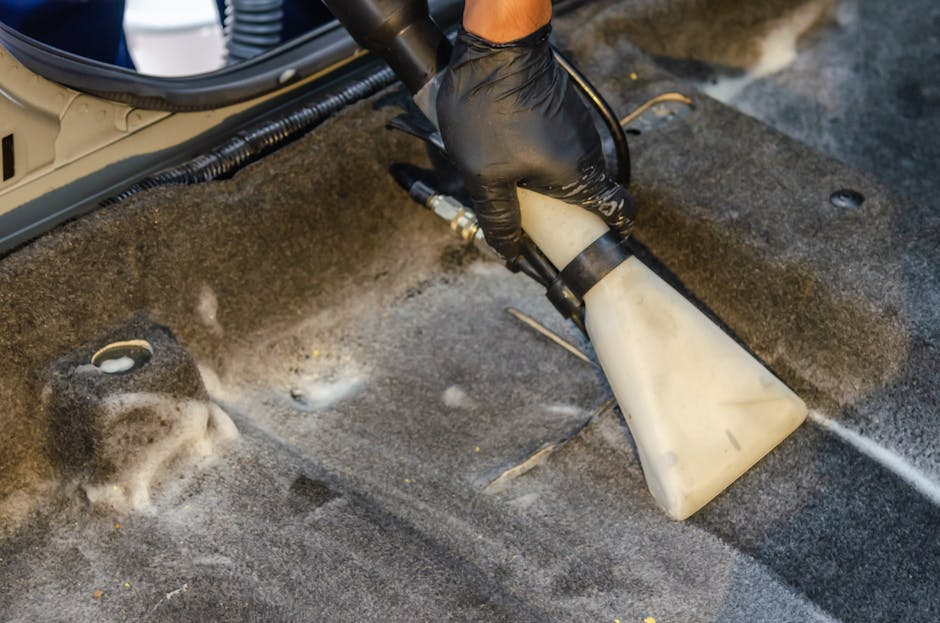
A professional clean usually begins with inspection and dry vacuuming. Loose dust, crumbs, and pet hair are removed before any liquid touches the fabric. Then a suitable cleaning solution is selected. Depending on the fabric and condition, the technician may use low-moisture extraction, hot water extraction, dry compound methods, or targeted stain treatment. The job is not simply to wet the upholstery and hope for the best. It is a controlled process designed to lift soil without flooding the filling underneath.
Drying is part of the job too. In a well-managed clean, the fabric should be left only lightly damp, not soaked. Airflow and room temperature help the process along. A rainy afternoon in West London can slow drying a bit, naturally, so ventilation and sensible aftercare become important. You might think "it's just a sofa", but one over-wet cushion can stay soggy for ages and create a musty smell. Not ideal.
If you want to understand how upholstery cleaning sits alongside related services, the site's sofa cleaning page and stain removal service are helpful related references. Furniture stains often need a combination of fibre-safe cleaning and targeted spot treatment, rather than one generic product sprayed everywhere.
Key Benefits and Practical Advantages
The biggest benefit is visible improvement. Fabrics often look brighter after a thorough clean, and colours tend to regain a bit of their original depth. But the practical advantages go further than appearance. A proper clean can reduce embedded dust, help with lingering smells, and make furniture feel less sticky or tired. People often notice the difference most in shared spaces, where a sofa or corner chair is used by everyone.
Here are the benefits that matter most in real life:
- Improved appearance: cleaner fibres, fresher colour, less dullness.
- Odour reduction: useful where food, pets, or damp air have left a lingering smell.
- Longer fabric life: dirt particles can abrade fibres over time, so removing them helps.
- Better comfort: upholstery feels cleaner and more pleasant to use.
- Smarter maintenance: regular cleaning often prevents bigger problems later.
There is a less obvious benefit too: confidence. When furniture looks and smells clean, the whole room feels more settled. That matters if you have guests coming round, children using the furniture daily, or a home office where the background keeps creeping into view during video calls. A grimy chair is a small thing, but it can be weirdly distracting. You know the feeling.
If your home has other textiles that need attention at the same time, you may also want to look at curtain cleaning and rug cleaning. Taking care of the full room can create a more consistent result than cleaning just one item in isolation.
Who This Is For and When It Makes Sense
Upholstery cleaning is useful for far more people than those dealing with obvious stains. In fact, some of the best results come from regular upkeep rather than emergency cleaning. If any of the scenarios below sound familiar, the timing is probably right.
- Families with children: spills, snacks, and daily wear build up quickly.
- Pet owners: hair, odour, and occasional accidents need careful handling.
- Renters or landlords: presentation matters between tenancies or inspections.
- Homeowners preparing to sell: fresh furniture helps the whole property feel better cared for.
- Older or valuable furniture owners: careful cleaning can help preserve fabric you do not want to replace.
- Anyone with allergies or sensitivity to dust: a cleaner fabric surface can be easier to live with.
It also makes sense when furniture looks clean at first glance but feels less fresh up close. That slightly stale smell after the heating has been on. The dull armrest. The tiny ring mark you keep meaning to deal with. Those are the quiet signals. If you wait until the stain becomes obvious from across the room, you are often making the job harder than it needed to be.
Commercial spaces can benefit as well, especially reception seating, waiting rooms, or office breakout areas. For a broader service view in that setting, commercial carpet cleaning shows how fabric and floor care can be coordinated in workplaces rather than treated as separate chores.
Step-by-Step Guidance
If you want a practical route rather than guesswork, this is the simplest way to approach upholstery cleaning without making avoidable mistakes. It is not fancy. It just works better.
- Check the fabric label. Look for cleaning codes or manufacturer guidance where available. If the fabric is marked as delicate, take that seriously.
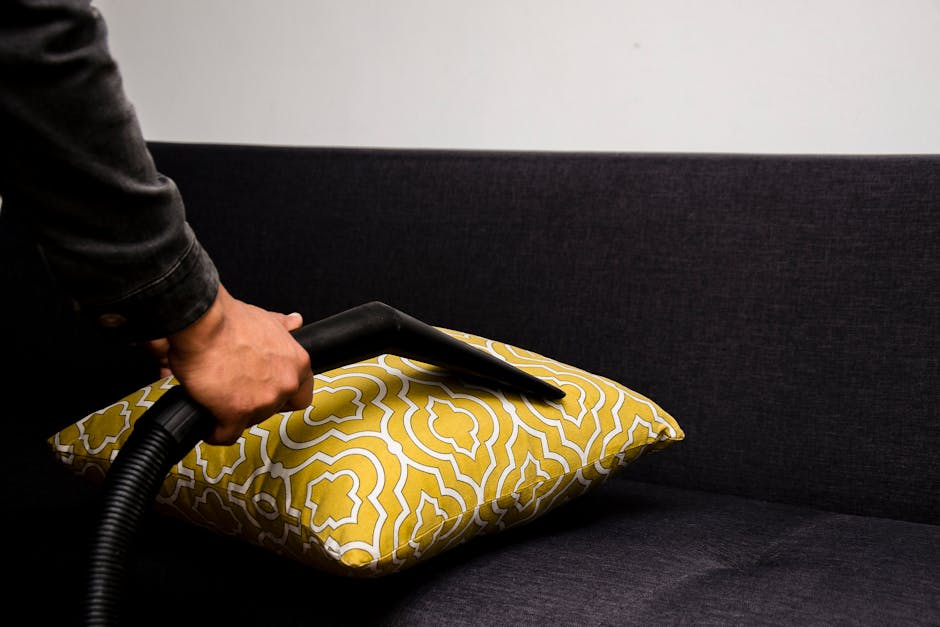
- Vacuum thoroughly. Use a soft upholstery tool and go slowly over seams, cushions, piping, and crevices.
- Test any product first. Choose a hidden area and check for colour transfer, water marking, or texture change.
- Treat stains gently. Blot rather than rub. Work from the outside of the mark inward so it does not spread.
- Use the right amount of moisture. Enough to clean, not enough to soak the filling. That line matters.
- Extract or lift residue. Remove as much cleaning solution as possible so the fabric does not attract dirt again quickly.
- Speed up drying. Open windows if weather allows, improve airflow, and avoid sitting on the item too soon.
- Inspect once dry. Sometimes marks reappear as the fabric dries. If so, a second targeted treatment may be needed.
That final check is more important than people think. A stain may look gone when the fabric is still damp, only to come back in a pale ring a few hours later. A classic moment of "oh, come on". If that happens, do not panic. It often means residue was left behind, not that the item has been ruined.
For more specialised care, such as difficult food marks or oily spots, the pet stain and odour removal and stain removal pages give a sense of how targeted treatment fits into the bigger picture of fabric care.
Expert Tips for Better Results
A few small habits make a surprisingly big difference. In our experience, the best results usually come from patience rather than enthusiasm. People often want to attack the stain immediately with a strong cleaner and a stiff cloth. That is usually the wrong move. Gentle control wins more often than brute force.
- Work with the fabric, not against it. Wipe or blot in the direction that keeps the weave looking smooth.
- Use minimal product. Overloading the area creates sticky residue and may cause rapid resoiling.
- Keep the room ventilated. Even a good clean needs proper drying time.
- Clean cushions separately where possible. Rotate them so wear is spread more evenly.
- Address spills quickly. Fresh marks are easier to lift, full stop.
- Use a soft brush only when suitable. A hard brush can rough up delicate fibres.
A useful rule of thumb: if you are unsure whether the fabric can handle a certain treatment, stop and reassess before adding moisture. Better to underdo a first pass than to force a problem into the padding underneath. Padding problems are the annoying ones. They hide, they smell, and they take ages to dry out.
Also, try to clean in good daylight or bright indoor light. Early afternoon is ideal if the room gets some natural light. It helps you see missed patches and faint tide marks. It sounds trivial, but it saves a lot of guesswork.
Common Mistakes to Avoid
The biggest upholstery cleaning errors are not dramatic. They are small, repeated habits that slowly make things worse. Here are the ones that come up most often.
- Rubbing stains aggressively: this can spread the mark and damage the weave.
- Using the wrong product: bleach, harsh degreasers, or random household sprays can strip colour or leave rings.
- Soaking the item: too much moisture can lead to slow drying, odour, or distortion.
- Ignoring the label: fabric codes exist for a reason, even if they are a bit annoying to decipher.
- Skipping vacuuming: loose grit gets turned into mud once liquid is added.
- Testing in a visible spot: always test somewhere hidden first.
Another common one is assuming every mark is the same. Coffee, grease, makeup, pet mess, and water-based spills all behave differently. The wrong response can set the stain, which is frustrating because it feels like you have made more work for yourself in thirty seconds than the stain took to appear in the first place. A bit rude, really.
If odour is part of the issue, the cleaning approach needs to address the source rather than just the surface. That is where a more targeted service, such as pet stain odour removal, can be especially useful in homes with animals or older spill damage.
Tools, Resources and Recommendations
You do not need a van full of equipment to keep upholstery in decent condition. A few well-chosen tools are enough for routine care, and they can make a big difference between a quick tidy-up and a half-hearted job that leaves the fabric patchy.
| Tool or approach | Best for | Why it helps |
|---|---|---|
| Upholstery vacuum attachment | Routine dust and crumbs | Removes loose soil before it becomes embedded |
| Microfibre cloth | Light blotting and dry surface care | Gentle on fabric and useful for controlled cleanup |
| Soft-bristled brush | Suitable woven fabrics | Helps lift surface soil without harsh abrasion |
| Fabric-safe cleaning solution | Spot treatment | Targets stains without damaging the finish |
| Airflow and ventilation | Drying | Reduces the chance of lingering damp smell |
If you are comparing service levels, it is worth looking at the related steam carpet cleaning page too, because customers often ask for fabric and floor cleaning together. Even though upholstery and carpet are not the same material, the underlying principles are similar: careful inspection, controlled moisture, and proper extraction.
For homeowners who want a cleaner whole-room effect, pairing upholstery care with curtain cleaning and carpet maintenance can make the space feel much more finished. The room stops looking "clean in parts" and starts looking properly cared for. Tiny difference, but you will notice it.
Law, Compliance, Standards, or Best Practice
Upholstery cleaning is not usually a heavily regulated activity in the way some trades are, but sensible best practice still matters. In the UK, anyone carrying out cleaning work should use products safely, follow manufacturer guidance where available, and take reasonable care to avoid damage to property or health. That includes reading product labels, storing chemicals correctly, and making sure any electrical equipment is used properly around damp materials.
For customers, a trustworthy service should be clear about what is and is not included, how they handle delicate fabrics, and what happens if an item is unsuitable for cleaning. It is also reasonable to expect proper insurance cover and a straightforward complaints process. Those are not fancy extras. They are basic trust signals. If a company is open about its insurance and safety position, that is a positive sign.
On the customer side, it helps to provide honest information about stains, previous DIY attempts, and any known fabric issues. If a sofa has already been treated with a supermarket stain spray three times, that changes the situation. So does a loose seam or a fabric fade line near a window. Good communication makes the clean safer and more predictable.
For further reassurance around service expectations and fair terms, you may also find the company's terms and conditions, privacy policy, and payment and security information useful. They help set expectations in a plain, practical way.
Options, Methods, or Comparison Table
There is no single best method for every upholstery item. The right approach depends on the fabric, the stain, the age of the mark, and how much moisture the item can tolerate. Here is a simple comparison to make the decision clearer.
| Method | Best used for | Pros | Watch out for |
|---|---|---|---|
| Vacuum and spot clean | Light maintenance, small fresh marks | Fast, cheap, low risk | Won't solve deep soil or odour |
| Low-moisture upholstery cleaning | Most everyday household furniture | Faster drying, controlled results | Needs care on heavily soiled items |
| Hot water extraction | Durable fabrics with deeper contamination | Strong soil removal potential | Too much water can delay drying if mishandled |
| Dry compound or dry-clean style treatment | Delicate materials or moisture-sensitive furniture | Gentler on some fabrics | May not suit every stain type |
In practice, a good cleaner chooses the method based on the item rather than forcing every sofa into the same system. That sounds obvious, but a lot of poor results come from the opposite habit. The comparison above is useful because it shows why the phrase "proper upholstery cleaning" really means "the right method for the right fabric".
Case Study or Real-World Example
Picture a family living room near Westbury Road. The sofa looks fine from across the room, but close up the arms are dull, the seat cushions have a faint grey cast, and there is a small drink mark on one panel that never quite disappeared. The owners had been wiping it with a damp cloth and a household spray, which helped at first, then stopped helping altogether. The sofa did not look damaged, just tired.
The first step was a careful vacuum, especially along seams and the top edges of the cushions where dust tends to settle. After that, the stain area was tested in a hidden spot to check how the fabric reacted. The cleaner then used targeted treatment on the mark, followed by a controlled clean of the main seating areas. No soaking. No aggressive brushing. Just slow, deliberate work. By the end, the sofa looked more even and felt noticeably fresher to the touch. Not brand-new, because that is never realistic, but clearly improved.
What made the difference was not one miracle product. It was the combination of preparation, the right amount of moisture, and a sensible drying period with a window open and a bit of airflow. The family also got into the habit of vacuuming the sofa once a week after that. Nothing dramatic. Just steady care. And, honestly, that is usually how you keep upholstery looking decent for years.
Practical Checklist
Use this simple checklist before, during, or after upholstery cleaning. It keeps the job grounded and prevents the usual avoidable slip-ups.
- Check the fabric label or care guidance first.
- Vacuum cushions, seams, and under flaps before using any liquid.
- Test the cleaner in a hidden area.
- Blot stains gently rather than rubbing.
- Use only fabric-safe products.
- Avoid over-wetting the item.
- Improve ventilation during drying.
- Allow enough drying time before regular use.
- Inspect for tide marks or residue once dry.
- Book a professional clean when the fabric is delicate, heavily stained, or odour-affected.
Quick takeaway: the cleaner the preparation, the better the result. Most upholstery problems start with skipping the basics, not with the stain itself.
Thinking about a deeper refresh for your furniture or a stubborn mark that will not budge? A local service can save time, reduce guesswork, and help you avoid damaging a fabric you actually like. If you are ready to compare options or ask what is suitable for your item, the safest next step is to explore the available service information and ask for tailored advice rather than guessing from a one-size-fits-all cleaning video. That bit alone can save a lot of hassle.
Conclusion
Good upholstery cleaning is part science, part patience, and part common sense. The best results come from understanding the fabric, dealing with stains early, and avoiding the temptation to overdo it. For homes and businesses around Westbury Road and Norwood Green, that usually means a cleaner look, a fresher feel, and less chance of turning a small mark into a bigger job later on.
The main thing to remember is simple: clean gently, dry properly, and choose the method that suits the material. Do that, and your furniture will usually repay you with a much longer useful life. Small efforts, repeated sensibly, really do add up.
Get a free quote today and see how much you can save.
And if you are still deciding, that is fine. A careful first step is often the best one, and a well-kept sofa has a habit of making the whole room feel calmer.
Frequently Asked Questions
How often should upholstery be cleaned?
For most homes, a light maintenance clean and regular vacuuming make sense throughout the year, with a deeper clean when the fabric starts to look dull, feel sticky, or hold odours. Households with children or pets often need attention sooner.
Can I clean upholstery myself?
Yes, for light surface dirt and small fresh marks, DIY care can be fine if you use a fabric-safe product and test it first. The risk comes with delicate fabrics, older stains, or anything that can be damaged by too much water.
What is the biggest mistake people make with upholstered furniture?
Over-wetting is probably the most common issue, closely followed by aggressive rubbing. Both can make a stain worse or leave the fabric with marks that are harder to remove than the original problem.
How do I know if my sofa fabric is safe to clean?
Look for a care label, manufacturer notes, or cleaning code if available. If you are unsure, treat the item carefully and avoid strong chemicals or heavy moisture until you know more.
Will upholstery cleaning remove all stains?
Not always. Some stains are old, set in, or have already been altered by previous cleaning attempts. The goal is to improve appearance safely and lift as much of the mark as the fabric allows.
How long does upholstery take to dry?
Drying time depends on the method used, the thickness of the fabric, the room temperature, and airflow. Lightly damp items can dry fairly quickly, while thicker cushions may take longer. Good ventilation helps a lot.
Is upholstery cleaning worth it for older furniture?
Often, yes. If the frame and fabric are still in good condition, a careful clean can make older furniture look and smell much better. It is usually more economical than replacing a decent piece too soon.
What should I do before a professional cleaner arrives?
Remove loose items from the furniture, clear the surrounding area, and mention any known stains, repairs, or fabric concerns. That makes the visit smoother and helps the cleaner choose the right method.
Can upholstery cleaning help with pet odours?
It can, especially when the odour is in the fabric rather than the filling. If the smell is strong or recurring, targeted treatment is usually better than a simple surface clean.
Should I clean cushions separately?
When possible, yes. Separate cushions can often be treated more evenly, dried more effectively, and rotated to spread wear. It is one of those small habits that quietly improves results.
Does professional cleaning use harsh chemicals?
Not necessarily. Good practice is to use the mildest effective product for the fabric and stain type. The important part is matching the method to the material rather than reaching for the strongest cleaner available.
What other services might I combine with upholstery cleaning?
In many homes, people combine it with carpet or rug work for a more complete refresh. Depending on the room, carpet cleaning and rug cleaning can help the space feel consistently clean rather than half-done.